



ALDH2
ALDH2 (aldehyde dehydrogenase 2) is a mitochondrial NAD(P)+-dependent enzyme that catalyzes the irreversible oxidation of acetaldehyde and other reactive aldehydes into their corresponding carboxylic acids, thereby maintaining cellular detoxification and redox homeostasis[1][2]. Mechanistically, ALDH2 participates in the major oxidative pathway of alcohol metabolism and also eliminates lipid peroxidation-derived aldehydes, including 4-hydroxynonenal (4-HNE) and malondialdehyde (MDA), which accumulate during oxidative stress and mitochondrial dysfunction[3][4]. Through detoxification of these highly reactive aldehydes, ALDH2 limits protein modification, oxidative injury, and disruption of intracellular signaling pathways associated with cardiovascular and metabolic disorders[3][4]. In disease models, reduced ALDH2 activity has been linked to myocardial injury, heart failure, diabetes, neurodegenerative diseases, stroke, and cancer, highlighting its broad role in stress-response mechanisms and tissue protection[4][5]. Compared with related ALDH isoforms, ALDH2 is distinguished by its mitochondrial localization and high catalytic efficiency toward acetaldehyde, whereas ALDH1A family members primarily regulate retinoic acid biosynthesis and ALDH1A1 or ALDH3A1 contribute to ocular protection and other tissue-specific functions[1][2]. A common inactive variant, ALDH22, markedly reduces enzymatic activity and promotes acetaldehyde accumulation, providing a widely used genetic model for studying aldehyde toxicity, oxidative stress, and disease susceptibility in East Asian populations[1]. For experimental applications, both ALDH2-selective activators and inhibitors have been developed to investigate isoform-specific functions, mitochondrial aldehyde metabolism, and therapeutic modulation of oxidative stress pathways[1][5].
References:
- [1]. Koppaka V, et al. Aldehyde dehydrogenase inhibitors: a comprehensive review of the pharmacology, mechanism of action, substrate specificity, and clinical application. Pharmacol Rev. 2012 Jul;64(3):520-39. [Content Brief]
- [2]. ALDH2 gene information from NCBI.
- [3]. Xiao P, et al. Edaravone dexborneol protects against cerebral ischemia/reperfusion-induced blood-brain barrier damage by inhibiting ferroptosis via activation of nrf-2/HO-1/GPX4 signaling. Free Radic Biol Med. 2024 May 1;217:116-125. [Content Brief]
- [4]. Chen CH, et al. Targeting aldehyde dehydrogenase 2: new therapeutic opportunities. Physiol Rev. 2014 Jan;94(1):1-34. [Content Brief]
- [5]. Zhao Y, et al. ALDH2 (Aldehyde Dehydrogenase 2) Protects Against Hypoxia-Induced Pulmonary Hypertension. Arterioscler Thromb Vasc Biol. 2019 Nov;39(11):2303-2319. [Content Brief]
-
ALDH2 Related Products (15)
Related Products (15)

-
Antibodies (3)
- 1
-
4-Hydroxynonenal
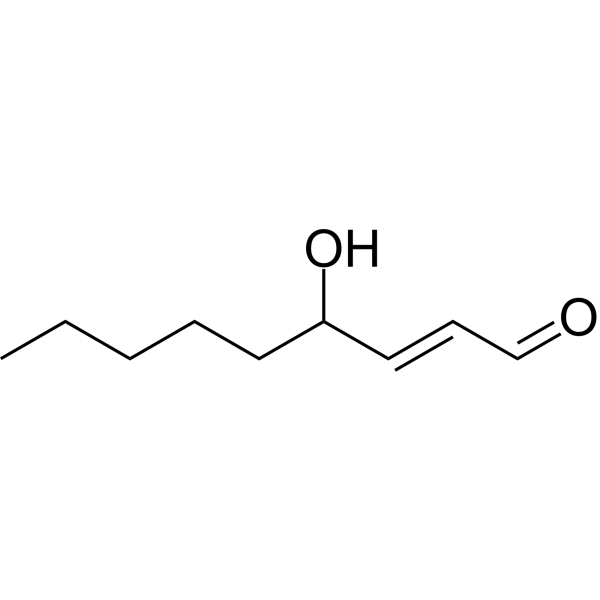 0 ImagesSynonyms: 4-HNE4-Hydroxynonenal (4-HNE) is an α,β unsaturated hydroxyalkenal and an oxidative/nitrosative stress biomarker. 4-Hydroxynonenal is a substrate and an inhibitor of acetaldehyde dehydrogenase 2 (ALDH2). 4-Hydroxynonenal can modulate a number of signaling processes mainly through forming covalent adducts with nucleophilic functional groups in proteins, nucleic acids, and membrane lipids. 4-Hydroxynonenal plays an important role in cancer through mitochondria.
-
CVT-10216
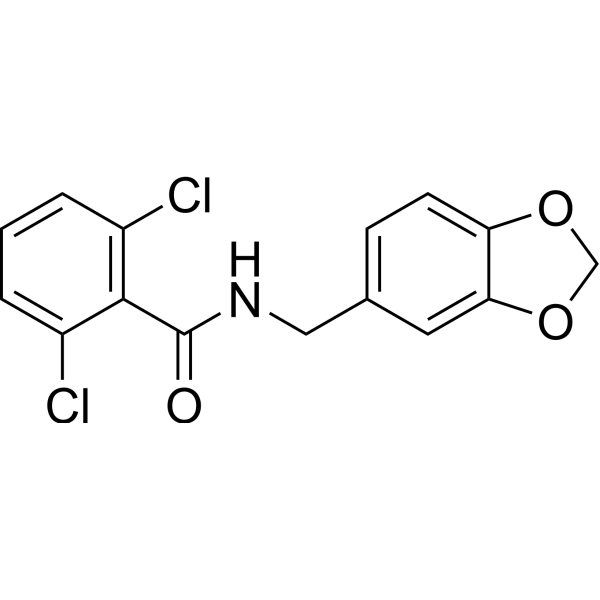
 0 ImagesCVT-10216 is a highly selective, reversible aldehyde dehydrogenase-2 (ALDH-2) inhibitor with an IC50 of 29 nM. CVT-10216 also has inhibitory effect of ALDH-1 with an IC50 of 1.3 μM. CVT-10216 can reduce excessive alcohol drinking in alcohol-preferring rats and exhibit anxiolytic effects.
-
Dyclonine hydrochloride
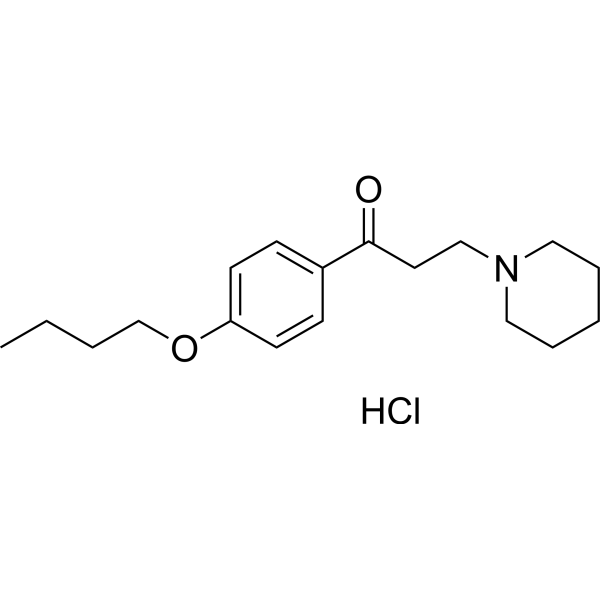 0 ImagesDyclonine hydrochloride (Dyclocaine hydrochloride) is an orally active, blood-brain barrier-permeable piperidine phenylacetone small molecule commonly used as a local anesthetic. Dyclonine hydrochloride acts as a highly selective allosteric antagonist of TRPV3; it also reversibly inhibits G9a, ALDH2 and ALDH3A1, non-competitively blocks AChE. Dyclonine hydrochloride activates the Nrf2/ARE pathway, relieves the epigenetic silencing of FXN, blocks Aβ42 aggregation, and promotes remyelination and reparative polarization of microglia. Dyclonine hydrochloride alleviates pruritus via TRPV3 inhibition; it is used in studies of neurodegenerative disease models based on its AChE inhibitory, antioxidant and remyelinating effects; it sensitizes drug-resistant tumors through ALDH inhibition, and combined use with protease inhibitors induces more tumor cell apoptosis; it inhibits Candida albicans in vitro. Dyclonine hydrochloride can be used for research on multiple diseases including neurodegenerative diseases, cancer and pruritic dermatitis.
-
3-Hydroxybenzaldehyde
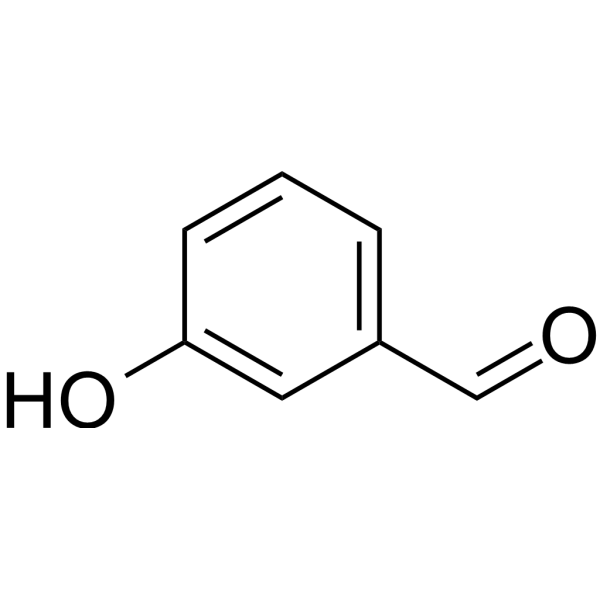 0 Images3-Hydroxybenzaldehyde (3-HBA) is a precursor compound for phenolic compounds like Protocatechuic aldehyde (PCA) (HY-N0295). 3-Hydroxybenzaldehyde, produced by 3-hydroxybenzyl-alcohol dehydrogenase, is a substrate of aldehyde dehydrogenase (ALDH) in rats and humans. 3-Hydroxybenzaldehyde has vasculoprotective effects in vitro and in vivo. 3-Hydroxybenzaldehyde is proming for research of atherosclerosis.
-
Dyclonine
 0 ImagesDyclonine (Dyclocaine) is an orally active, blood-brain barrier-permeable piperidine phenylacetone small molecule commonly used as a local anesthetic. Dyclonine acts as a highly selective allosteric antagonist of TRPV3; it also reversibly inhibits G9a, ALDH2 and ALDH3A1, non-competitively blocks AChE. Dyclonine activates the Nrf2/ARE pathway, relieves the epigenetic silencing of FXN, blocks Aβ42 aggregation, and promotes remyelination and reparative polarization of microglia. Dyclonine alleviates pruritus via TRPV3 inhibition; it is used in studies of neurodegenerative disease models based on its AChE inhibitory, antioxidant and remyelinating effects; it sensitizes drug-resistant tumors through ALDH inhibition, and combined use with protease inhibitors induces more tumor cell apoptosis; it inhibits Candida albicans in vitro. Dyclonine can be used for research on multiple diseases including neurodegenerative diseases, cancer and pruritic dermatitis.
-
KS106
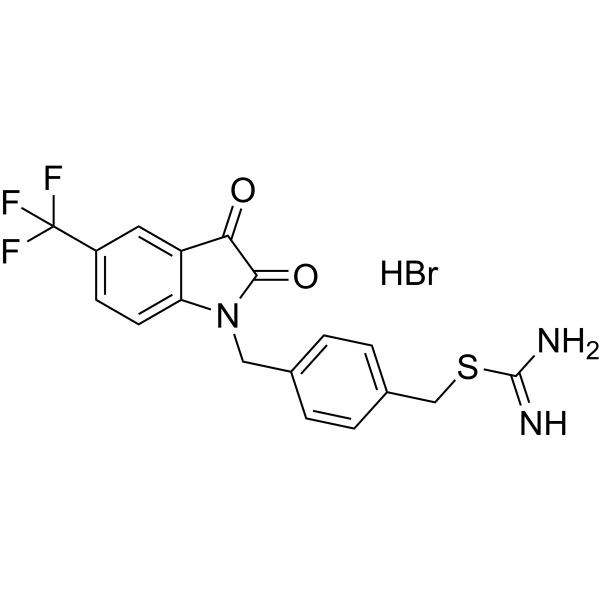 0 ImagesKS106 is a potent ALDH inhibitor with IC50s of 334, 2137, 360 nM for ALDH1A1, ALDH2, and ALDH3A1, respectively. KS106 shows antiproliferative and anticancer effects with low low toxic.KS106 significantly increases ROS activity, lipid peroxidation and toxic aldehyde accumulation. KS106 induces apoptosis and cell cycle arrest at the G2/M phase.
-
4-Hydroxynonenal-d3
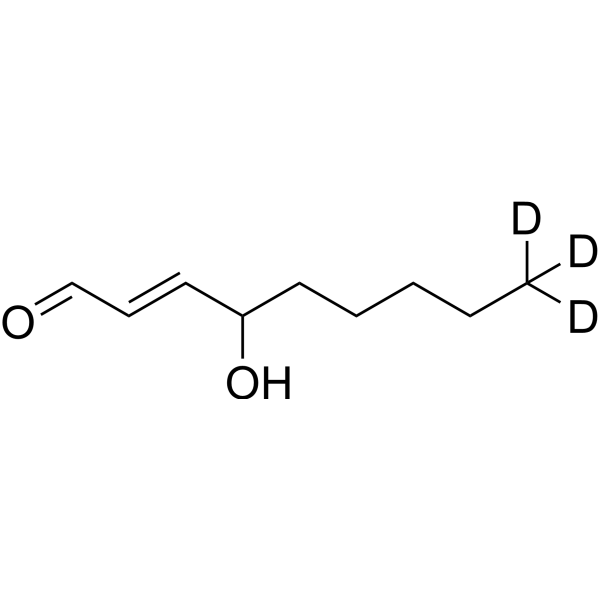 0 ImagesSynonyms: 4-HNE-d34-Hydroxynonenal-d3 is the deuterium labeled 4-Hydroxynonenal. 4-Hydroxynonenal (4-HNE) is an α,β unsaturated hydroxyalkenal and an oxidative/nitrosative stress biomarker. 4-Hydroxynonenal is a substrate and an inhibitor of acetaldehyde dehydrogenase 2 (ALDH2). 4-Hydroxynonenal can modulate a number of signaling processes mainly through forming covalent adducts with nucleophilic functional groups in proteins, nucleic acids, and membrane lipids. 4-Hydroxynonenal plays an important role in cancer through mitochondria.
-
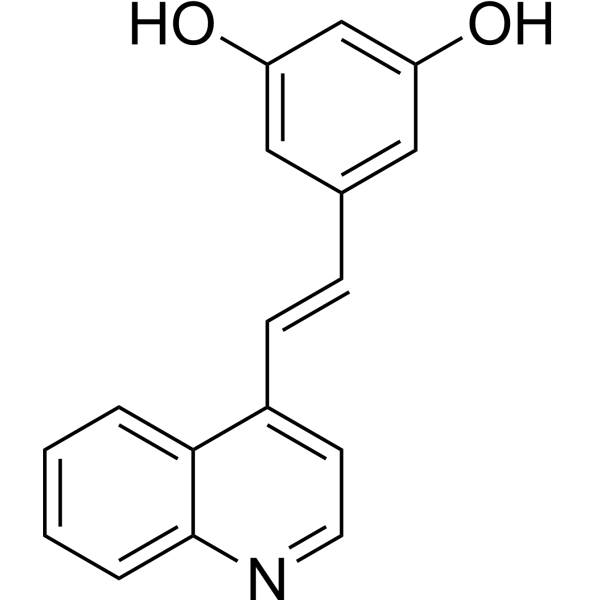
ALDH2 activator 1
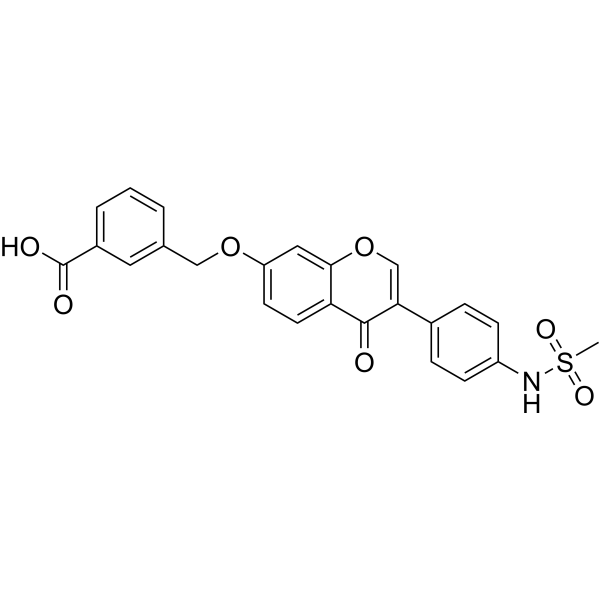
 0 ImagesALDH2 activator 1 (Compound Z17) is an allosteric aldehyde dehydrogenase 2 (ALDH2) agonist. ALDH2 activator 1 enhances cardiac function and reduces myocardial necrosis in a mouse model of myocardial ischemia-reperfusion. ALDH2 activator 1 is promising for research of cardiovascular diseases such as myocardial infarction (MI).
-
Dyclonine-d9 hydrochloride
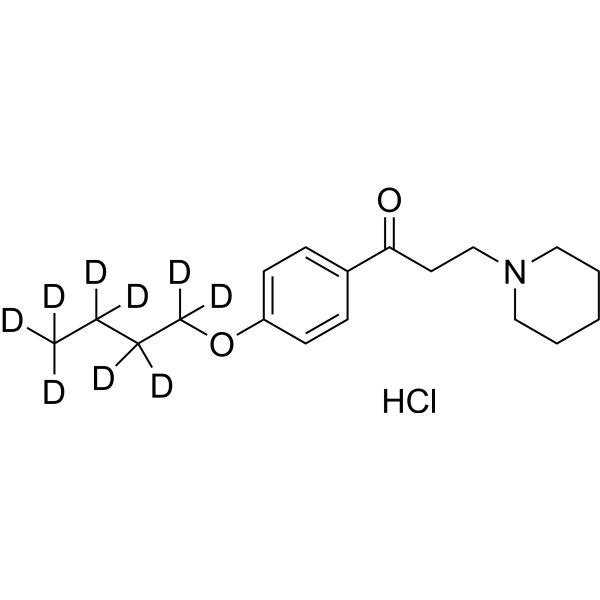 0 ImagesCat. No.: HY-B0364ASSynonyms: Dyclocaine-d9 hydrochlorideDyclonine-d9 hydrochloride (Dyclocaine-d9 hydrochloride) is the deuterated-labeled Dyclonine hydrochloride (HY-B0364A). Dyclonine hydrochloride (Dyclocaine hydrochloride) is an orally active, blood-brain barrier-permeable piperidine phenylacetone small molecule commonly used as a local anesthetic. Dyclonine hydrochloride acts as a highly selective allosteric antagonist of TRPV3; it also reversibly inhibits G9a, ALDH2 and ALDH3A1, non-competitively blocks AChE. Dyclonine hydrochloride activates the Nrf2/ARE pathway, relieves the epigenetic silencing of FXN, blocks Aβ42 aggregation, and promotes remyelination and reparative polarization of microglia. Dyclonine hydrochloride alleviates pruritus via TRPV3 inhibition; it is used in studies of neurodegenerative disease models based on its AChE inhibitory, antioxidant and remyelinating effects; it sensitizes drug-resistant tumors through ALDH inhibition, and combined use with protease inhibitors induces more tumor cell apoptosis; it inhibits Candida albicans in vitro. Dyclonine hydrochloride can be used for research on multiple diseases including neurodegenerative diseases, cancer and pruritic dermatitis.
-
MT16-001
 0 ImagesCat. No.: HY-182636CAS No.: 1895049-73-6MT16-001 is a cell-permeable UCHL1 inhibitor with an IC50 value of 580 nM. MT16-001 also exhibits considerable inhibitory activity against USP30, and shows selectivity for other UCH family deubiquitinases (DUBs) as well as the broader proteome. MT16-001 binds covalently to the cysteine residue at the active site of UCHL1, and forms covalent interactions with ALDH2, ALDH9A1 and GATD3A in intact cells. Meanwhile, as a cytotoxic agent, it displays a steep dose-response curve in human embryonic kidney cells. MT16-001 can be used for research on various cancers, liver fibrosis and pulmonary fibrosis.
-
ALDH2 modulator 1
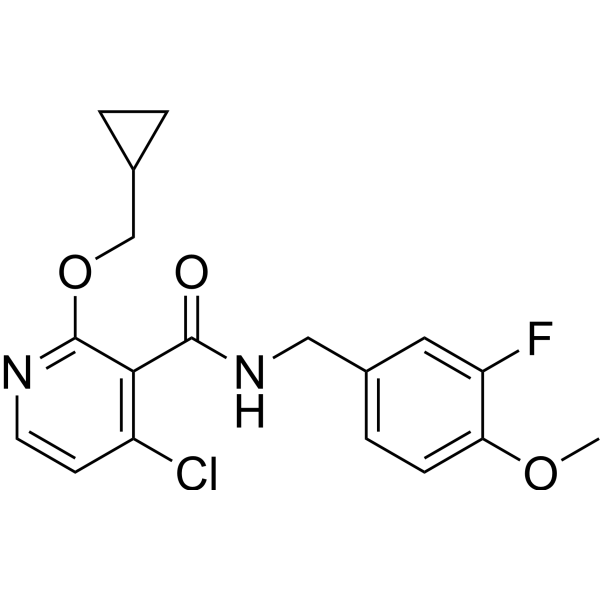 0 ImagesALDH2 modulator 1 is a potent and orally active aldehyde dehydrogenase-2 (ALDH2) modulator. ALDH2 modulator 1 reduces blood alcohol levels in mice.
-
Dyclonine hydrochloride (Standard)
 0 ImagesSynonyms: Dyclocaine hydrochloride (Standard)Dyclonine hydrochloride (Standard) (Dyclocaine hydrochloride (Standard)) is the analytical standard of Dyclonine hydrochloride (HY-B0364A). This product is intended for research and analytical applications. Dyclonine hydrochloride (Dyclocaine hydrochloride) is an orally active, blood-brain barrier-permeable piperidine phenylacetone small molecule commonly used as a local anesthetic. Dyclonine hydrochloride acts as a highly selective allosteric antagonist of TRPV3; it also reversibly inhibits G9a, ALDH2 and ALDH3A1, non-competitively blocks AChE. Dyclonine hydrochloride activates the Nrf2/ARE pathway, relieves the epigenetic silencing of FXN, blocks Aβ42 aggregation, and promotes remyelination and reparative polarization of microglia. Dyclonine hydrochloride alleviates pruritus via TRPV3 inhibition; it is used in studies of neurodegenerative disease models based on its AChE inhibitory, antioxidant and remyelinating effects; it sensitizes drug-resistant tumors through ALDH inhibition, and combined use with protease inhibitors induces more tumor cell apoptosis; it inhibits Candida albicans in vitro. Dyclonine hydrochloride can be used for research on multiple diseases including neurodegenerative diseases, cancer and pruritic dermatitis.
-
AD-9308
 0 ImagesCat. No.: HY-160475CAS No.: 1804942-56-0AD-9308 is an orally active, highly selective aldehyde dehydrogenase 2 (ALDH2) activator. AD-9308 alleviates oxidative stress, improves mitochondrial function, restores cell viability, reduces renal tubular injury, fibrosis and inflammatory responses, reverses ventricular remodeling, restores the activities of Dicer and superoxide dismutase, inhibits the IL-6 signaling pathway, reduces the accumulation of 4-HNE-protein adducts, and improves glucose homeostasis. AD-9308 can be used in studies related to acrolein-induced kidney injury, diabetes, cardiomyopathy, heart failure, diet-induced obesity, fatty liver, insulin resistance and glucose intolerance.
- 1




